Prestige College Of Integrative and Natural Medicine Is a pace setter Natural medicine college established to promote training, research and development in the field of complementary and alternative medicine in Nigeria .
Prestige College Of Integrative and Natural Medicine Is a pace setter Natural medicine college established to promote training, research and development in the field of complementary and alternative medicine in Nigeria .

In this course students will be introduced to the anatomy of individual systems if the body paying particular attention to structure and function of each system from cellular level through tissues, organ and organ system level for Skeletal System; Muscular System; Cardiovascular systems; Lymphatic System and Immunology; Respiratory System; The Digestive System; The Reproductive System; The Integumentary System; The Nervous System; Miscellaneous Tissues of the body;
Development and congenital abnormalities of the following systems and explanation of genesis of congenital abnormalities:
Lectures in embryology should normally coincide with the gross anatomy programmes of that and should be supplemented by practical demonstration of models, slides and preserved
Cell structure and function, basic tissues of the body: epithelium, connective tissues including specialized connective tissue of cartilage, bone, blood, muscle and nervous tissues.
Systemic Histology:Structure and function of the following systems; Cardiovascular; Respiratory; Digestive; Urinary; Female genitalia; Male genitalia; Lymphoid; Skin and its appendages; Endocrine; Special senses; Nervous system.
Emphasis must be placed on relation of function to structure. Practical classes should include demonstration slides to be handled by student individually. Not more than four (4) students should share one microscope.
Anatomical position, terminology of anatomy in particular and medicine in general study of skin, fas-: a. bones, joints, muscles, nerves and blood vessels.
b. Regional Anatomy:Includes the in-situ study of: Upper limb; Thorax; Abdomen, pelvis/perineum lower limb; Neuroanatomy; Head, face, and neck.
The students will be taught ‘Living Anatomy as an introduction to physical examination. Emphasis will be placed on dissection of the cadaver, study of Osteology, kinesiology, position extent and functional integrity of organs and systems, and the anatomical basis of clinical problems where such exists.
General introduction; Functional morphology of the cell; Structures and functions of DNA &RNA: Transport across cell membrane; Intercellular communication. Excitable Tissue.
Nerve: Nerve cells; Excitation & Conduction; Nerve fibre types & functions; Muscles: Skeletal muscles: Morphology properties & functions. Cardiac muscles; morphology, properties functions; Smooth muscle: morphology, properties and functions; Synaptic & junctional transmission; Initiation of impulse in sense organs.
Blood & Body FluidThe body fluid; Blood composition, physical properties and general functions Haematocrit and blood volume; Plasma proteins; Haemostasis and blood coagulation; Red blood corpuscles: Structures & functions; Potycythaema; Haemoglobin; Erythrocyte Sedimentation Rate; Osmotic Fragility of red cells; Anaemia; Blood groups & Blood Transfusion; Defense mechanism of the body; Lymph formation, flow and function.
Gastrointestinal Tract PhysiologyIntroduction; Mouth & Esophagus; Swallowing mechanism; Salivary secretions; Composition and function of saliva; Gastrointestinal secretions; Methods of study of gastric function; Mechanism of gastric secretion; Composition & functions of gastric juice; Gastrointestinal hormones; Digestion and absorption of carbohydrate, proteins, nucleic acids & lipids; Absorption of water & electrolytes; Absorption of vitamins and minerals; Stomach; Control of pyloric sphincter; Emptying of stomach, Vomiting: causes and mechanism; Small intestine: movement, method of study and intestinal juice; Ileoceacal sphincter and its action; Liver and biliary system; Large intestine; Defecation.
Cardiovascular System:Design of-circulation; Functions of circulations; Pacemaker tissues; Initiation of cardiac impulse; Properties of cardiac muscle; Electrocardiogram: Recording & interpretation; Cardiac cycle; Pressure and volume changes; Heart Sounds; jugular Venous Pulse; Arterial] Pulse; Circulation time; Cardiovascular adjustments during muscular exercise; Haemodynamics. Streamline versus turbulent flow; Peripheral venous and peripheral arterial resistance; Capillary circulation; Venous pressure; Coronary circulation; Pulmonary circulation; Cutaneous circulation; Blood flow through skeletal musdes; Haemorrhage and Shock.
Physiology of Renal excretion and SkinFunctions of the kidney; Functions of the Nephron; Glomrrular filtration; Measurement of GFR; Creatinine clearance; Renal blood flow; nitration fraction; Auto regulation of renal blood flow; Transport across tubules; Active versus passive transport; Transport maximum; Reabsorption of glucose, Na, Water etc; Secretion of K+, H+, etc; Mechanism of concentration of urine; Counter-current mechanism; Water clearance; Role of Kidney in the regulation of extracellular fluid volume; Renal regulation of K+ concentration and osmolality; Actions of Aldosterone and ADH; Renin-Angiotensin System; Thirst; Temperature regulation; Physiology of micturation; Filling and emptying of the urinary bladder; Cyto urethrogram; Functions of skin: Surface area, vascular responses & role in temperature regulation.
Respiratory PhysiologyPhysiologic anatomy of respiratory apparatus; Brief review of relevant gas laws; Lung volume; Mechanism of respiration; Gas diffusion through alveolar capillary membrane; Pulmonary circulation; Ventilation-perfusion ratio; 02 & CO2 transport; Control of respiration; Hypoxia; Oxygen treatment; Abnormal types of breathing; Altitude and depth acclimatization; Respiratory adjustments in health & disease.
Endocrine PhysiologyHormones in general and their mechanisms of action, regulation, types and properties; Pituitary hormones: secretion, transport, action and regulation; Hypothalamic regulation and feedback mechanism; Physiology of growth; Pituitary dysfunctions; Thyroid hormones: synthesis, secretion, transport, action and regulation; Disease of thyroid and parathyroid; • Synthesis, secretion and actions of parathyroid hormone; Tetany;Hyperparathyroidism; Calcitonin;- Adrenal cortex- and medulla; Synthesis, release, transport, actions and regulation of adrenocortical secretion; Abnormalities of adrenocortical function; Primary hyperaldosteronism and adrenogenital syndrome; Adrenal medullary hormones; Synthesis and actions of catecholamine; Endocrine functions of the pancreas; Actions of insulin; Actions of glucagon; Regulation of Mood glucose level; Diabetes mellitus.
ReproductionGametogenesis & sex differentiation; Spermatogenesis & oogenesis; Chromosomal abnormalities; Puberty; Precocious and delayed puberty; Secondary sexual characteristics; Menarche and menopause; Male reproductive system; Gametogenic & endocrine functions of the testis; Action of testosterone; Regulation of secretion; Female reproductive system; Physiology of menstrual cycle; Ovarian and endometrial cycles; Changes in cervical and vaginal rnucosa; Control of ovarian function; Hypothalamopituitafy -ovarian axis; Action of estrogen and progesterone, Pregnancy and lactation; Hormones of placenta
Central Nervous SystemOrganizationof nervous system; Sensory perception: Touch, Proprioception, Temperature and pain: Motor System; Control of posture and movement; Pyramidal and Extra pyramidal System; Effects of lesions; Cerebellum; Thalamus; Hypothalamus; Cerebral Cortex and functions; Effects of transactiont of spinal cord; Electroencephalogram; Reticular Activating System; Sleep; Synaptic Transmission and its modulation; Reflexes: classification, properties and control of Limbic System; Emotions, motivations, sexual behavior, fear and rage; Autonomic Nervous System: Organisation of ANS; Transmission; Autonomic functions; Responses of effector organs.
Special SensesEye: Optical media of the eye and image formation of retina; Receptors for vision: rods and cones functions; Optic pathway and effects of lesion; Field of vision and activity of vision; Dark Adaptation; Pupillary reflexes; Accommodation; Refractive errors; Colour vision: Eye Movement.
Ear: Anatomic consideration; Functions of the ear; Mechanism of sound transmission; Mechanism of pitch perception; Electrical phenomena; Endocochlear potentials; Audiometry; Vestibular function; Role of semicircular canals; Utricle and saccule; Smell and Taste: Smell: Taste; Receptor organs and pathways.

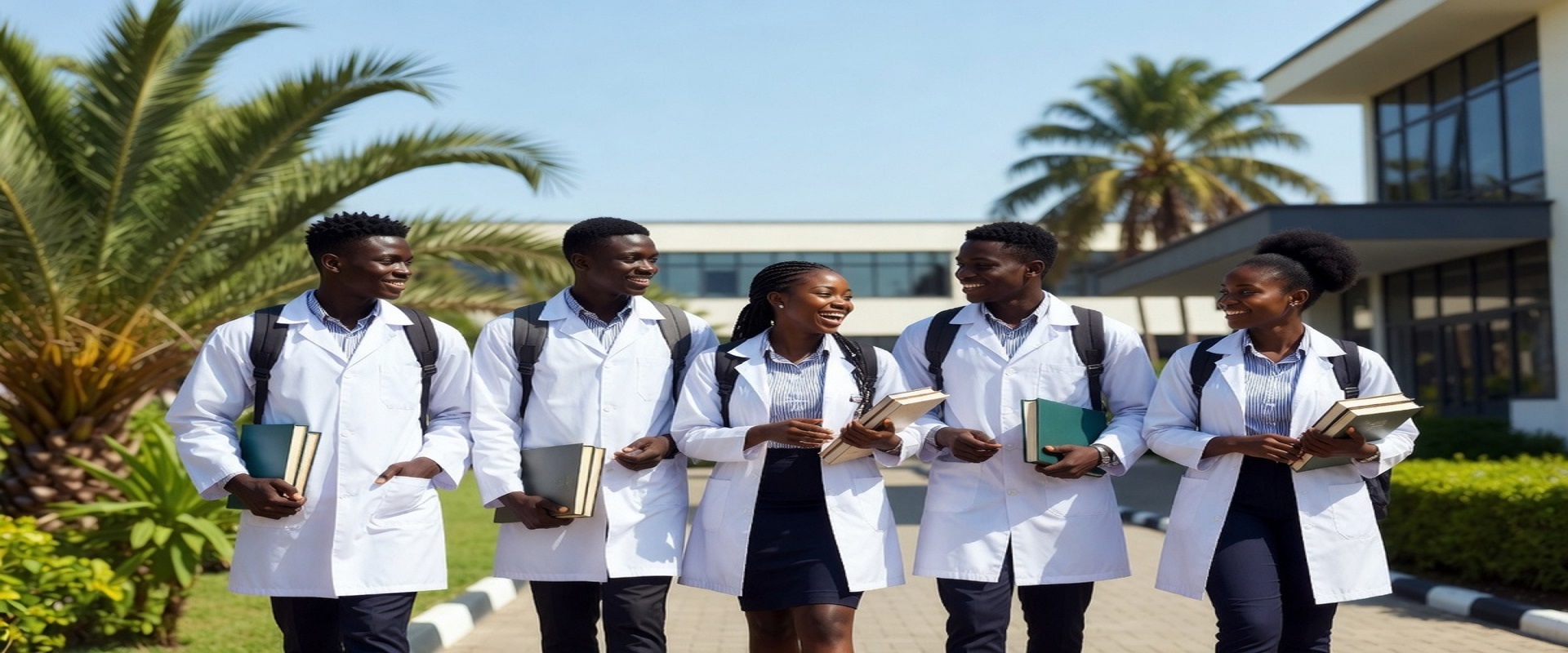
Welcome to the gateway of possibilities your admission to Prestige College of Integrative & Natural Medicine.